There’s no reason for the 2015 bike racing season to end just yet, we’ve got almost most three months of cyclocross ahead (some years its closer to four or five months).
For the uninitiated, ‘cross is a late season cycling discipline (with deep roots in Belgium) that challenges riders to race on grass, dirt, sand, mud, snow, and pavement while navigating obstacles like barriers, flyovers and run-ups. That means for a few hundred feet each lap riders are usually off the bike and running.
Think of the discipline as a steeplechase with a bike.
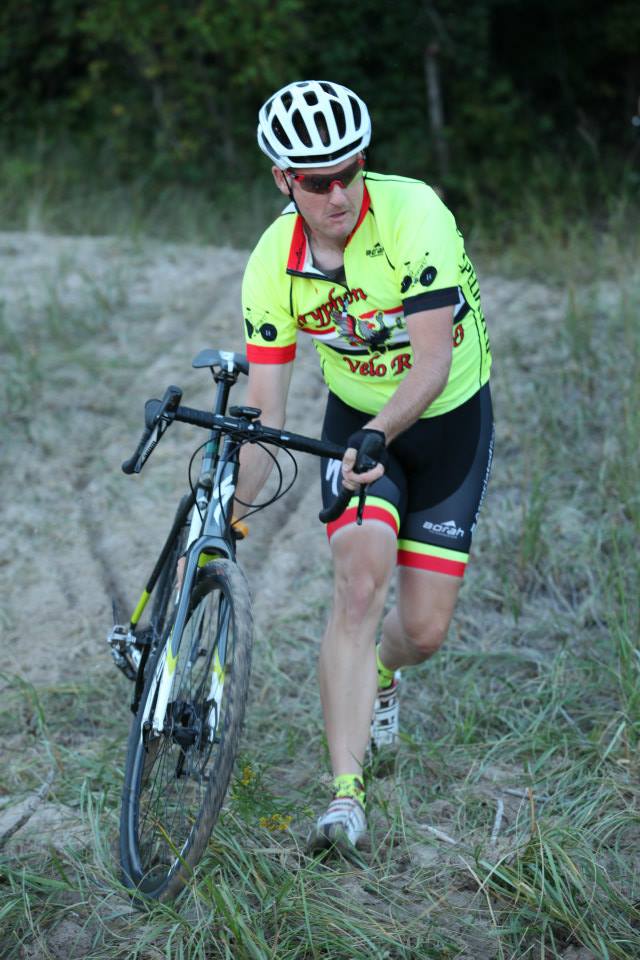
On the beach at Manitowoc (Karl Hendrikse photo)
The sport has seen rapid growth in the United States in recent years, thanks in large part to the accessibility, more-laid-back vibe, and spectator friendly nature of running multiple laps over a one- to two-mile course (usually in a park).
A recent skills clinic in Manitowoc hosted by by Sheboygan professional Brian Matter reinforced many of the basic skills need for the discipline, as well as the elements of challenge and fun that keep cross racing fresh week after week.
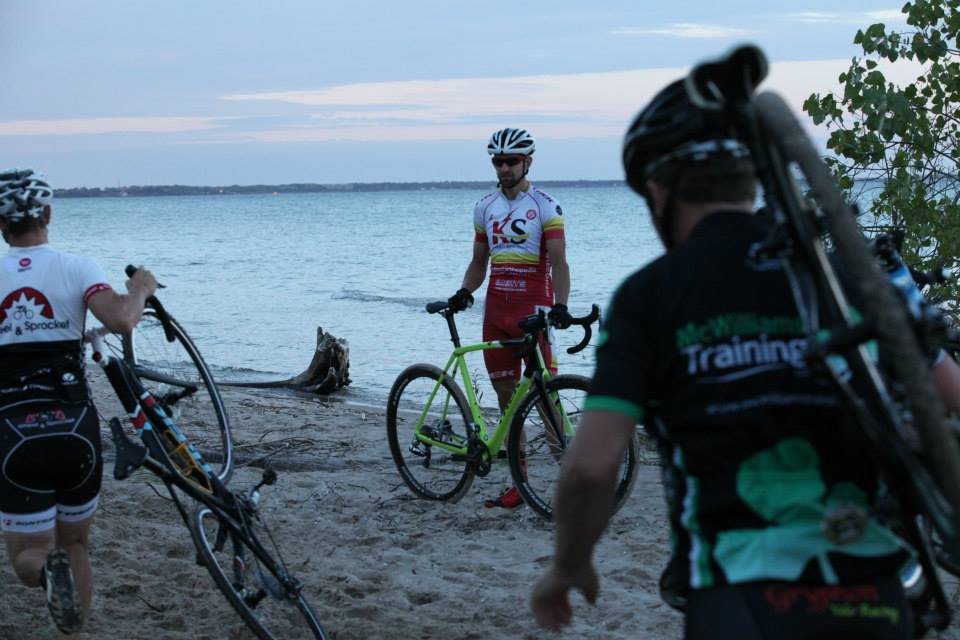
Brian Matter on the beach in Manitowoc. (Karl Hendrikse photo)
As we move in the cross seasons, a couple GVR riders offer up some thoughts on the attraction of the discipline, and things to keep in mind if you’re going to give the sport a try.
Robert Sorenson: Cross is fun. It’s one of those events that is a hoot to watch and participate in.
It’s family and spectator friendly since most of the races are held in parks (kids love parks) and with a one mile(ish) loop it’s easy to walk the course and catch “your rider” at multiple locations.
Quentin Gniot: Cross is all about transitions. Transition from pavement to dirt, from dirt to sand, from turns to straightaways, from riding to running. The secret to doing well at the events is to be “smooth” thru these transitions and to try and keep from burning too many matches as you move thru the course.
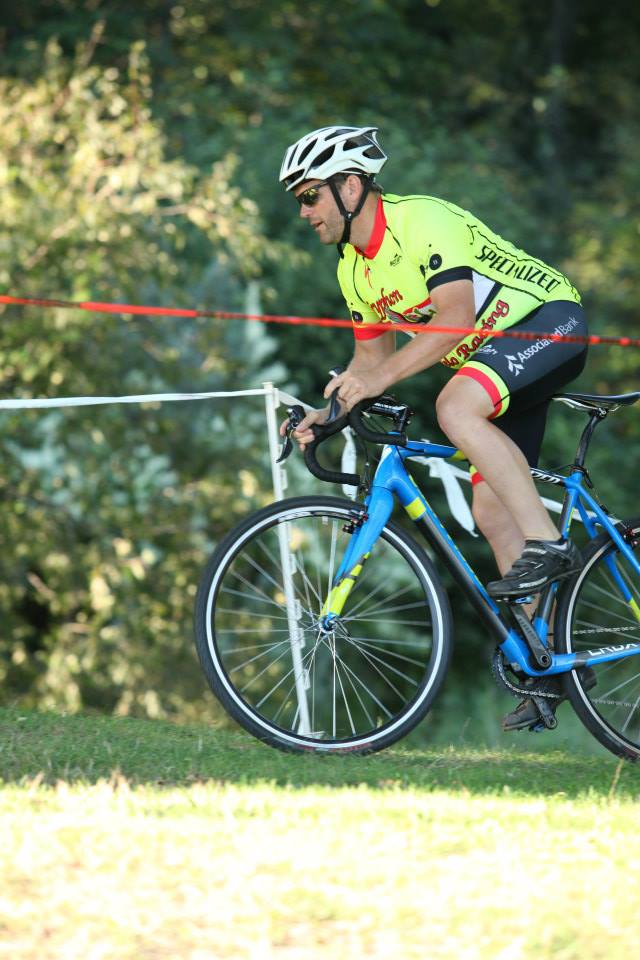
Robert Sorenson takes a corner at the Brian Matter skills clinic in Manitowoc Sept. 9. (Karl Hendrikse photo)
Robert Sorenson: Cross is technique, power, and smarts. The best cross racers are improving their technique and practicing and always learning. I went to a clinic and learned a lot in a couple of hours. But now I need to practice, practice, and practice some more.
Pre-riding the course before you race is essential to, well, knowing where you are going, what to expect, and maybe finding a few spots where you can gain an advantage.
Don’t’ be afraid to ask for advice from your peers on tire pressure or the best line around an obstacle. I have been on and off racing cross since 1994 and I am still learning.
Brian McWilliams: I think it’s all about the running. The bike is just a bonus.
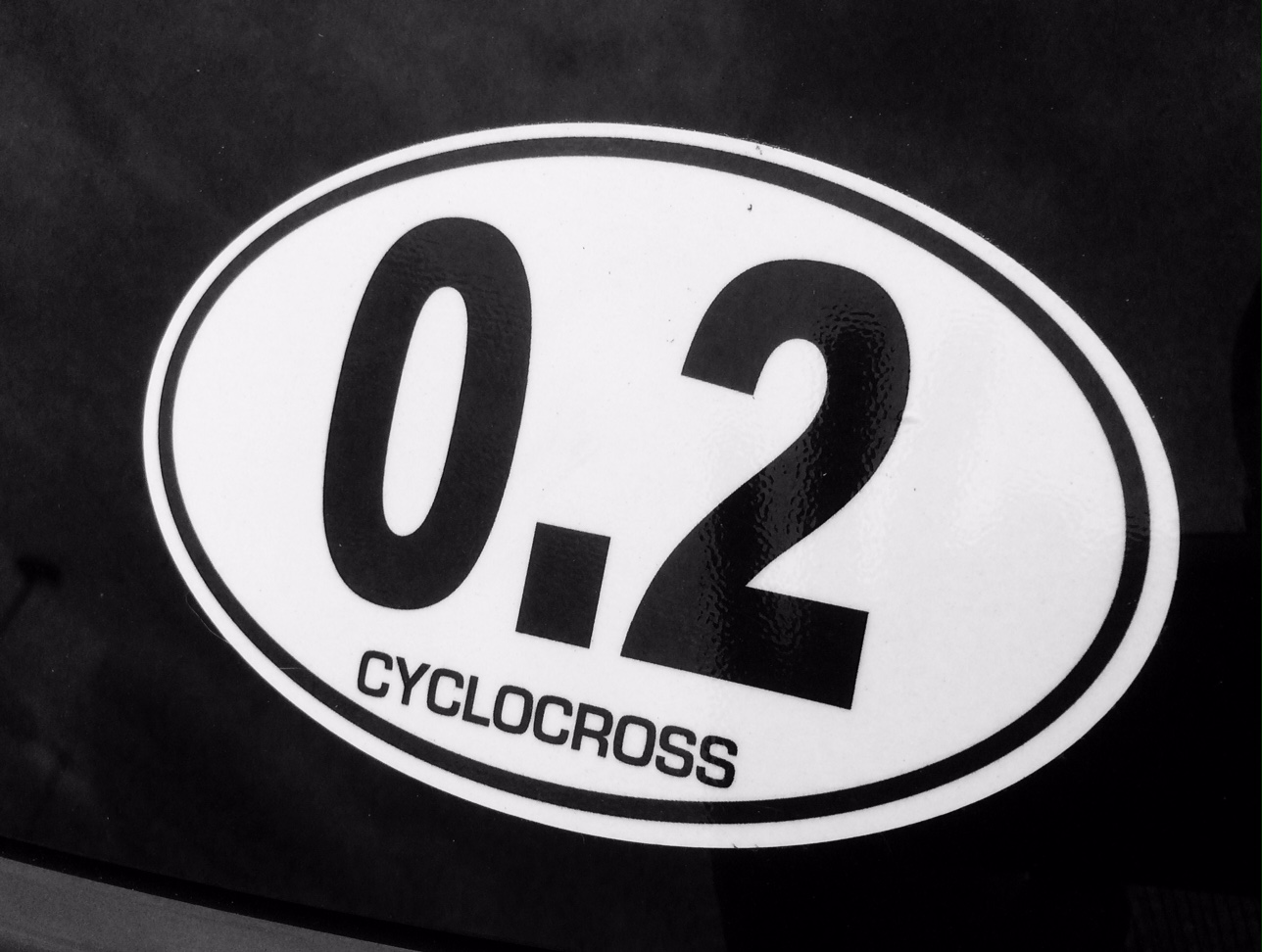
Yep. That’s about right.
Quentin Gniot: Always remember that cyclocross is like a mullet; business up front and a party in the back, so have fun. Oh, and hand-ups are not a crime!
Here’s a little more on the topic of cyclocross from USA Cycling: http://www.usacycling.org/to-cross-or-not-to-cross-that-is-the-roadies-question.htm
 Gryphon Velo Racing